
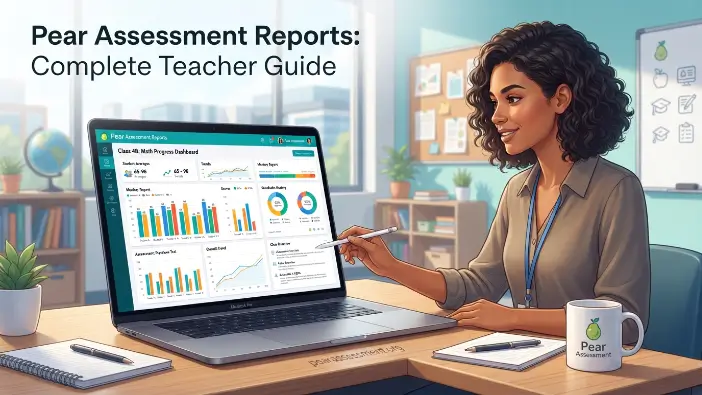
Welcome to Pear Assessment. Pear Assessment Reports help teachers transform student responses into meaningful insights that support better classroom instruction. Instead of relying only on final scores, these reports provide valuable information about participation, response accuracy, completion status, and overall student performance. By reviewing this data, teachers can quickly identify learning gaps and make informed instructional decisions.
Whether you teach in person, online, or through a blended learning environment, Pear Assessment Reports make it easier to monitor student progress throughout the learning process. Understanding how to access and interpret these reports allows educators to personalize instruction, improve learning outcomes, and use assessment data effectively to support every student’s success.
What Are Pear Assessment Reports?
Pear Assessment Reports are digital reporting tools that help teachers understand how students perform during classroom assessments. After students complete an activity, quiz, or lesson in Pear Assessment, the platform automatically gathers their responses and organizes the information into detailed reports. These reports present assessment data in a clear and structured format, making it easier for educators to evaluate both individual and class performance without spending hours grading or compiling results manually.
Definition
Pear Assessment Reports are digital assessment analytics that summarize student responses, scores, participation, and completion data from Pear Assessment activities. They organize classroom assessment information into clear, easy-to-read reports, allowing teachers to quickly review individual and class performance without manually analyzing every response.
Rather than simply displaying grades, these reports provide meaningful insights that support formative assessment and data-driven instruction. Teachers can use the information to monitor student progress, identify learning gaps, evaluate instructional effectiveness, and make informed decisions to improve future lessons.
Why Assessment Reports Matter
Assessment reports play an important role in modern classrooms because they provide evidence-based insights into student learning. Instead of making instructional decisions based on assumptions, teachers can rely on actual assessment data to understand student needs.
These reports also help educators recognize patterns that may not be immediately visible during classroom instruction. For example, if multiple students answer the same question incorrectly, it may indicate that a concept requires additional explanation or practice.
Who Uses These Reports
Pear Assessment Reports are primarily used by classroom teachers, but they also benefit instructional coaches, school administrators, and other education professionals. These reports help users understand student performance, monitor learning progress, and make informed decisions based on assessment data.
Teachers use the reports to evaluate student understanding, identify learning gaps, and improve classroom instruction. They are also useful during parent conferences, as the reports provide clear evidence of student progress and support meaningful discussions about academic performance.
Read Also: Scoot Education: How It Works for Teachers and Schools
Types of Pear Assessment Reports
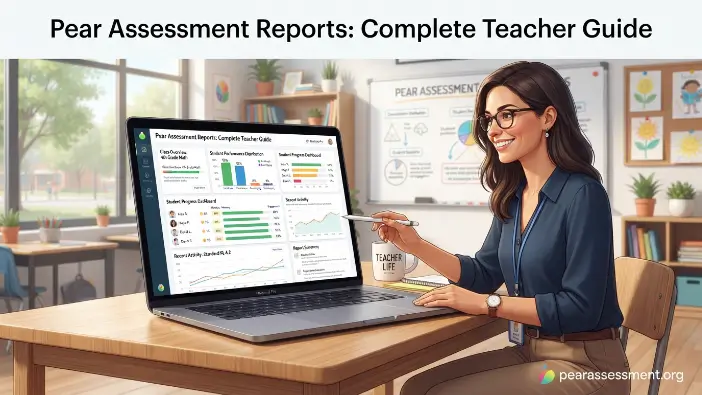
Pear Assessment offers different types of reports that help teachers analyze student performance from multiple perspectives. Instead of providing only a single overall score, the platform organizes assessment data into various report types, each highlighting a different aspect of student learning. This allows educators to examine both individual achievement and overall class performance in greater detail.Each report serves a specific purpose, such as tracking individual student progress, reviewing class-wide results, analyzing responses to individual questions, or evaluating completed assessment sessions.
Student Performance Reports
Student Performance Reports provide detailed information about how each student performed during an assessment session. Instead of showing only a final score, these reports include individual scores, responses, participation, and completion status, giving teachers a clearer picture of each student’s understanding and progress.
By reviewing this information, teachers can identify students’ strengths and weaknesses, recognize learning gaps, and determine who may need additional support or enrichment. These insights make it easier to personalize instruction and monitor academic growth over time.
Session Reports
Session Reports provide a summary of an entire assessment session by combining the performance data of all participating students. Instead of focusing on individual results, these reports give teachers an overall view of class participation, completion rates, and assessment outcomes.
By reviewing Session Reports, teachers can quickly evaluate how well the class understood the lesson, identify common learning gaps, and determine which topics may need additional explanation or review before moving on to new content.
Question-Level Reports
Question-Level Reports allow teachers to review student responses for each assessment question individually, providing deeper insight than overall assessment scores alone. These reports show which questions students answered correctly or incorrectly, making it easier to identify patterns in student understanding.
By analyzing question-level data, teachers can identify specific concepts that students find challenging, recognize common misconceptions, and determine whether a question needs improvement. This detailed analysis helps educators adjust instruction, provide targeted support, and improve future assessments.
Class Summary Reports
Class Summary Reports combine assessment data from all participating students into a single, easy-to-read overview of overall classroom performance. Instead of reviewing each student’s results individually, teachers can quickly see how the entire class performed on an assessment.
These reports help educators identify class-wide learning trends, measure whether learning objectives have been achieved, and determine which topics may need to be retaught. By providing a broad view of assessment results, Class Summary Reports support better lesson planning, curriculum adjustments, and data-driven instructional decisions.
Best Practices for Analyzing Assessment Data
Simply viewing Pear Assessment Reports is not enough to improve student learning. Teachers should carefully analyze the information to understand what the data reveals about student performance and use those insights to guide instructional decisions. Looking beyond overall scores and considering factors such as participation, response accuracy, and learning trends provides a more complete picture of classroom progress. Following best practices when analyzing assessment data helps educators make informed, evidence-based decisions rather than relying on assumptions or a single assessment result.
Look Beyond Scores
While assessment scores provide a quick overview of student performance, they do not always reflect a student’s complete understanding of the material. Teachers should also review participation, response accuracy, completion status, and question-level results to gain a more accurate picture of student learning.
Looking beyond final scores helps educators identify the reasons behind a student’s performance, such as incomplete assessments, common misconceptions, or low participation. This deeper analysis supports better instructional decisions and more effective learning support.
Compare Multiple Assessments
A single assessment provides only a snapshot of a student’s performance at a specific point in time. Comparing results across multiple assessments gives teachers a clearer understanding of student progress, learning patterns, and overall academic growth.
By reviewing assessment reports over time, educators can identify consistent strengths, recognize recurring learning challenges, and evaluate whether their instructional strategies are improving student outcomes. This approach leads to more informed and effective teaching decisions.
Monitor Trends Over Time
Assessment reports become more valuable when teachers monitor student performance over an extended period rather than relying on a single assessment. Tracking results across weeks or months helps identify learning trends, measure academic growth, and recognize students who may need additional support.
Monitoring long-term trends also allows teachers to evaluate the effectiveness of their instructional strategies and make evidence-based decisions. By using consistent assessment data throughout the school year, educators can provide timely interventions and continuously improve student learning outcomes.
Common Mistakes Teachers Should Avoid
Even with detailed assessment data, teachers can make mistakes when interpreting or using Pear Assessment Reports. Understanding these common mistakes helps ensure that assessment data is used accurately and effectively to support student learning.By avoiding these errors, teachers can make better instructional decisions, identify learning needs more accurately, and use assessment reports to improve classroom outcomes rather than relying on incomplete or misleading information.
- Focusing only on final scores
- Ignoring participation trends
- Not reviewing question-level data
- Delaying instructional adjustments
- Misinterpreting incomplete assessments
Avoiding these mistakes allows teachers to use assessment reports more effectively and support better student learning.
Pear Assessment Reports vs Traditional Paper Assessments
Both Pear Assessment Reports and traditional paper assessments are designed to evaluate student learning, but they differ in how assessment data is collected, analyzed, and used. While paper-based assessments often require manual grading and record-keeping, Pear Assessment Reports automatically organize student responses into detailed digital reports, saving teachers time and effort.
| Feature | Pear Assessment Reports | Traditional Paper Assessments |
| Data Collection | Automatically records student responses | Manual collection by teacher |
| Results Availability | Available shortly after assessment completion | Requires manual grading |
| Performance Analysis | Detailed analytics and classroom insights | Limited to teacher calculations |
| Question-Level Review | Easily identifies response patterns | Requires manual review |
| Progress Tracking | Supports ongoing monitoring across assessments | Often requires separate record keeping |
| Instructional Planning | Uses assessment data for immediate adjustments | Feedback may be delayed |
| Reporting | Organized digital reports | Paper-based records and notes |
| Classroom Efficiency | Saves time through automated reporting | More time spent grading and organizing |
Tips for Getting Better Insights from Reports
Getting the most value from Pear Assessment Reports requires more than simply reviewing assessment results after students complete an activity. Teachers should analyze report data regularly and use the insights to improve lesson planning, teaching strategies, and student support. Consistently reviewing assessment reports helps educators identify learning patterns, address challenges early, and make informed instructional decisions. By following effective reporting practices, teachers can turn assessment data into meaningful classroom improvements.
Use Formative Assessments Regularly
Regular formative assessments provide continuous feedback on student learning instead of relying only on unit tests or final exams. Frequent assessments generate more report data, making it easier to identify learning gaps and address misunderstandings early.
They also help teachers track student progress, evaluate instructional strategies, and make timely adjustments to improve learning outcomes.
Review Reports Immediately
Assessment reports are most valuable when reviewed soon after students complete an activity. Early review helps teachers identify learning gaps and misconceptions while the lesson is still fresh, allowing for timely instructional adjustments.
Quickly analyzing reports also helps educators plan review activities, clarify difficult concepts, and provide support before moving on to new lessons.
Share Results with Students
Sharing assessment results with students helps them understand their strengths and identify areas for improvement. Instead of viewing reports as just grades, teachers can use them to provide meaningful feedback and encourage students to take an active role in their learning.
Discussing assessment data with students also helps them set learning goals, track their progress, and stay motivated to improve their performance over time.
Frequently Asked Questions
What are Pear Assessment Reports?
Pear Assessment Reports are digital reports that summarize student performance during assessments. They include information such as student scores, participation, response accuracy, completion status, and overall class performance, helping teachers make informed instructional decisions.
How do I access Pear Assessment Reports?
Teachers can access Pear Assessment Reports through the Teacher Dashboard by opening completed assessment sessions. From there, they can review student performance, analyze assessment data, and access available reporting features.
Can I export Pear Assessment Reports?
Yes. Pear Assessment may provide options for exporting assessment data, allowing teachers to save reports, maintain classroom records, collaborate with colleagues, or prepare for parent conferences, depending on the available reporting features.
How accurate are assessment reports?
Assessment reports are generally accurate because they are generated directly from student responses submitted during assessment sessions. However, teachers should review completion status, participation records, and individual responses to ensure the data reflects the assessment accurately.
How can reports improve classroom instruction?
Assessment reports help teachers identify learning gaps, monitor student progress, personalize instruction, evaluate lesson effectiveness, and make data-driven decisions that improve student learning outcomes.
Conclusion
Pear Assessment Reports provide teachers with valuable insights that extend far beyond simple assessment scores. By reviewing student performance, participation, response accuracy, completion status, and learning progress, educators can gain a clearer understanding of classroom achievement and make informed instructional decisions.
When used consistently, Pear Assessment Reports help identify learning gaps, personalize instruction, monitor academic growth, and improve future lessons. Combined with thoughtful analysis and regular formative assessments, these reports become an essential tool for supporting student success and creating a more effective, data-driven learning environment.