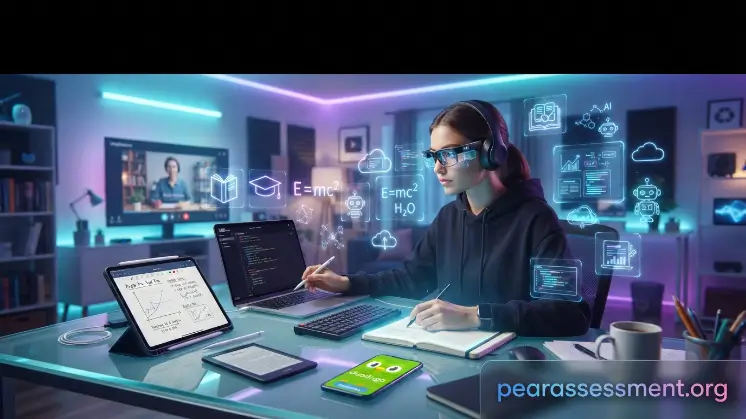
Welcome to Pear Assessment. Technology has changed the way students learn, teachers teach, and educational institutions deliver knowledge. Modern classrooms are moving beyond traditional methods by using digital devices, online resources, and interactive tools. This growth has made gadgets education an important part of modern learning systems. Gadgets education means using smart devices such as tablets, laptops, digital pens, smart boards, and AI-powered tools to improve learning experiences. These devices help students access information quickly, understand difficult concepts easily, and develop important digital skills required for the future.
With educational technology, students can learn through videos, simulations, online courses, and interactive applications. Digital learning tools allow learners to study at their own pace, practice skills, and receive instant feedback. This creates a more personalized and effective learning environment compared to traditional learning methods. Teachers also benefit from gadget-based education because modern devices support better lesson planning, student engagement, and performance tracking. Smart classroom technology helps educators create interactive lessons and connect students with global learning resources.
What Is Gadgets Education and Why Does It Matter?
Gadgets education refers to the use of digital devices and smart tools to improve teaching and learning. Educational gadgets include tablets, laptops, smart boards, digital pens, e-readers, and AI-based learning devices. These tools support students by providing easier access to information, interactive lessons, and practical learning experiences. The main goal is to make education more effective, flexible, and engaging. Technology plays an important role in modern education by connecting students and teachers with advanced resources. Unlike traditional learning, which mainly depends on textbooks and classroom lectures, digital learning tools provide videos, online courses, simulations, and real-time feedback. This combination of traditional methods and educational technology creates a balanced learning environment that improves understanding and skill development.
How Technology Has Changed the Learning Process
Technology has transformed learning from a one-way teaching method into an interactive experience. Students can now learn through animations, virtual demonstrations, educational apps, and online activities. These interactive learning solutions help learners understand complex topics faster and improve their interest in different subjects.
Modern technology also provides faster access to information through online libraries, websites, and learning platforms. With gadgets for education, students can study anytime and anywhere using connected devices. Personalized learning systems allow learners to follow their own pace, focus on weak areas, and receive recommendations based on their progress.
Why Students and Teachers Need Educational Gadgets
Educational gadgets help students stay engaged by making lessons more visual, practical, and enjoyable. Devices such as tablets and laptops support research, creativity, and skill development. Through educational gadgets, students can access more resources, complete assignments efficiently, and develop digital skills needed for future careers.
Teachers also benefit from educational gadgets because they improve productivity and classroom management. Smart classroom technology allows educators to create interactive lessons, share resources, and track student progress. These tools support easy collaboration between teachers and students while providing flexible learning opportunities inside and outside the classroom.
Benefits of Gadgets in Education in Modern Learning
Gadgets in education have improved modern learning by making education more accessible, engaging, and effective. Digital devices help students understand concepts through better visuals, interactive activities, and practical experiences. These tools support both teachers and learners by improving communication, creativity, and knowledge sharing. With the growth of educational technology, learning is no longer limited to classrooms and printed materials. Modern gadgets provide students with flexible learning options and access to global resources. Through digital learning tools, learners can study at their own pace, explore new subjects, and develop important skills. When used correctly, gadgets in education create a smarter learning environment that supports academic growth and future career preparation.
Improved Learning Experience
Educational gadgets improve the learning experience by making lessons more visual and interactive. Students can understand difficult topics through videos, animations, simulations, and digital models. This type of visual learning helps learners remember information better and increases their interest in different subjects.
Interactive lessons allow students to participate actively instead of only listening to lectures. Through gadgets education, learners can practice concepts, complete digital activities, and gain practical understanding through real-world examples. These experiences make learning more effective and enjoyable.
Better Access to Educational Resources
One major benefit of gadgets in education is quick access to a wide range of learning materials. Students can use online libraries, educational websites, and digital platforms to find information beyond traditional textbooks. These resources help learners explore topics in greater depth and improve their knowledge.
Educational apps and digital courses provide structured learning opportunities for different subjects and skill levels. Students can also use research tools to collect information, complete projects, and improve their academic performance. This easy access to resources supports continuous learning anytime and anywhere.
Personalized Learning for Students
Educational gadgets allow students to follow personalized learning methods based on their abilities and goals. Instead of following the same learning speed, students can review lessons, practice difficult topics, and improve their skills according to their needs. This approach makes gadget-based education more student-focused.
With AI-based learning systems, devices can analyze student performance and provide suitable recommendations. Individual progress tracking helps students and teachers identify strengths and weaknesses. These features create a more effective learning process through customized lessons and continuous improvement.
Best Educational Gadgets for Students
Education has introduced many smart devices that help students improve their learning experience. Choosing the right educational gadget depends on learning goals, study requirements, and age level. Devices such as tablets, laptops, smart pens, e-readers, and VR headsets support different types of learning, from basic reading to advanced skill development. Modern learning devices for students provide flexibility, faster access to information, and better productivity. These gadgets help students attend online classes, organize study materials, complete projects, and explore new concepts through interactive methods. The right device can make learning more convenient and effective.
| Gadget | Best For | Main Benefits |
| Tablet | Online learning | Portable study solution |
| Laptop | Advanced learning | Research and productivity |
| Smart Pen | Note-taking | Digital handwriting |
| E-reader | Reading | Lightweight book replacement |
| VR Headset | Interactive learning | Immersive experiences |
Tablets and Digital Learning Devices
Tablets are among the most popular educational gadgets because they are lightweight, easy to use, and suitable for different learning activities. They provide access to online classes, educational applications, e-books, and digital study materials. Important features include touchscreen controls, long battery life, portability, and support for various educational technology platforms.
Tablets are useful for students who need a flexible study device for everyday learning. They are ideal for attending virtual classes, watching educational videos, reading digital books, and completing assignments. Through educational gadgets, tablets help students learn from anywhere while maintaining an organized digital learning environment.
Laptops and Computers for Education
Laptops and computers are essential for advanced learning because they provide better performance and support complex tasks. Students can use them for coding, research, presentations, design projects, and professional skill development. Their larger screens and powerful software capabilities make them suitable for higher education.
For online classes and academic research, laptops offer better productivity compared to smaller devices. Students can manage multiple applications, create documents, analyze information, and complete assignments efficiently. These digital learning tools are especially valuable for students preparing for technology-focused careers.
Smart Accessories for Better Learning
Smart accessories can improve the overall learning experience by making study activities faster and more organized. Digital pens, smart headphones, and learning keyboards are useful additions that support better productivity and focus.
Digital pens help students create digital notes while keeping the natural feel of handwriting. Smart headphones reduce distractions and improve focus during online classes or self-study sessions. Learning keyboards help students type faster and develop digital skills. These accessories enhance gadget education by making everyday learning tasks easier and more efficient.
Read Also: American education services
Classroom Gadgets That Improve Teaching
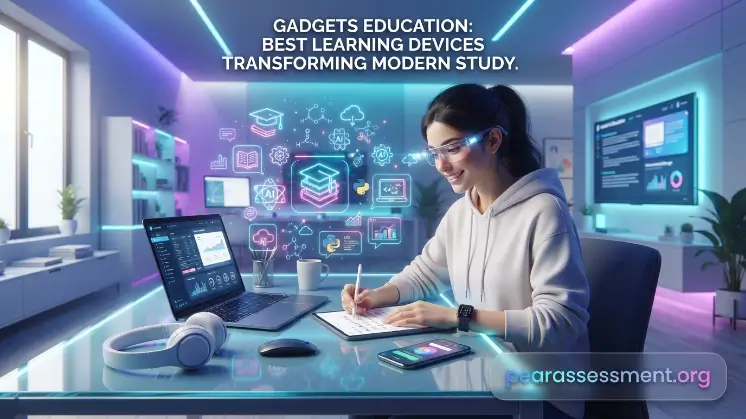
Gadget education has changed the way teachers deliver lessons and interact with students. Modern classroom devices help educators create engaging lessons, explain complex topics easily, and improve communication. Tools such as smart displays, projectors, and AI-based systems support smart classroom technology by making teaching more interactive and effective. These devices allow teachers to combine traditional teaching methods with digital resources. Through innovative teaching tools, educators can improve student participation, provide better learning support, and create a flexible classroom environment that meets different learning needs.
Interactive Whiteboards and Smart Displays
Interactive whiteboards and smart displays make lessons more visual and engaging. Teachers can use images, videos, diagrams, and digital content to explain concepts clearly. This type of visual teaching helps students understand difficult topics faster and improves knowledge retention.
These smart displays also encourage active student participation and collaboration. Students can interact directly with digital content, solve problems together, and share ideas during lessons. By supporting teamwork and communication, these tools make gadgets education more effective in modern classrooms.
Projectors and Presentation Tools
Projectors and presentation tools help teachers create multimedia lessons using videos, slides, animations, and online resources. These tools allow educators to present information in a clear and organized way, making lessons more interesting for students.
Using multimedia content improves classroom engagement by reducing boredom and encouraging active learning. Teachers can combine text, images, and videos to explain concepts from different perspectives. These digital teaching resources help students stay focused and participate more during lessons.
AI-Based Teaching Tools
AI-based teaching tools are improving education by providing smart solutions for teachers and students. These systems can analyze learning patterns, support assessments, and provide personalized guidance. Through gadgets education, artificial intelligence helps create more efficient and data-driven teaching methods.
Features such as automated assessment, AI learning assistants, and smart recommendations save teachers time and improve student support. Artificial intelligence in education can identify learning gaps, suggest suitable resources, and help students improve their performance through personalized learning experiences.
Advantages and Disadvantages of Using Gadgets in Education
Gadgets in education provide many benefits by improving learning speed, accessibility, and student engagement. Digital devices help students find information quickly, understand concepts through interactive methods, and collaborate with teachers and classmates. With educational technology, learning becomes more flexible and suitable for modern academic needs. However, excessive or improper use of gadgets can create challenges. Issues such as screen dependency, distractions, privacy risks, and high costs must be managed carefully. A balanced approach helps students gain the benefits of gadgets in education while reducing possible disadvantages.
Compression Table
| Advantages | Disadvantages |
| Faster learning | Screen dependency |
| More educational resources | Distractions |
| Better collaboration | Privacy concerns |
| Interactive education | Cost issues |
How to Choose the Right Educational Gadgets
Choosing the right device is important for getting the best results from educational gadgets. The ideal gadget should match the student’s learning needs, study goals, and daily requirements. A suitable device improves productivity, supports digital learning tools, and creates a better learning experience. Before buying an educational gadget, consider factors such as age, purpose, features, budget, and safety. The right choice ensures that technology supports learning instead of becoming a distraction.
Consider Learning Requirements
The first step is understanding the student’s age and learning level. Younger students may need simple devices with easy controls, while older students may require advanced gadgets for research, coding, and professional skills. Choosing the correct device helps students use technology effectively.
Educational goals and subject requirements also play an important role. For example, a student studying design may need a powerful laptop, while a reader may benefit from an e-reader. Selecting gadgets based on specific needs improves the value of gadgets education.
Check Features and Budget
Important device features should be evaluated before making a purchase. Battery life is essential for students who attend online classes or study for long hours. Good performance ensures smooth operation of applications, while durability helps the device last longer.
Budget is another important factor when choosing educational gadgets. Students and parents should focus on the price-value ratio instead of only selecting the cheapest option. A reliable device with useful features provides better long-term benefits for learning.
Focus on Safety and Productivity
Safety features are important when students use connected devices. Parental controls help manage content access, limit inappropriate usage, and create a safer digital environment. Strong data protection settings also help protect personal information from online risks.
Healthy screen habits are necessary for balanced technology use. Students should take regular breaks, maintain proper posture, and avoid excessive screen time. By combining responsible usage with gadget education, learners can improve productivity while maintaining healthy learning habits.
Common Mistakes When Using Gadgets for Education
Using gadgets for education effectively requires proper planning and responsible usage. While educational devices improve learning, incorrect usage can reduce productivity and create unnecessary challenges. Students, parents, and teachers should focus on using digital learning tools with clear goals and safe practices. Avoiding common mistakes helps students gain maximum benefits from technology. Proper device selection, balanced usage, and strong security practices ensure that gadgets support learning instead of becoming distractions.
Using Technology Without a Learning Goal
One common mistake is using educational gadgets without a clear purpose. Simply owning a tablet, laptop, or smart device does not improve learning unless it is connected to specific educational goals. Unplanned usage can lead to wasted time and reduced productivity.
The solution is to choose purpose-driven tools that match learning needs. Students should select applications and devices that support their subjects, improve skills, and provide meaningful learning experiences through gadget education.
Excessive Screen Time
Spending too much time on digital devices can affect concentration, health, and study habits. Excessive screen usage may reduce physical activity and create difficulty maintaining a balanced routine.
The solution is to create balanced learning schedules. Students should combine digital learning with offline activities, regular breaks, and healthy study habits. Proper screen management helps maintain the benefits of educational technology without negative effects.
Ignoring Device Security
Ignoring security settings is another mistake when using educational gadgets. Unprotected devices may expose students to privacy risks, unsafe content, and data loss. Strong security practices are essential for safe digital learning.
The solution is to use regular updates, privacy settings, and secure passwords. Parents and students should enable safety features and protect personal information. Responsible security practices make gadgets for education safer and more reliable.
Future Trends in Gadgets Education
The future of gadgets education is focused on smarter, faster, and more personalized learning experiences. Emerging technologies such as artificial intelligence, virtual reality, and connected classroom systems are changing how students learn and how teachers deliver knowledge. These innovations make educational technology more effective by improving accessibility, engagement, and learning outcomes. Future educational gadgets will move beyond basic digital tools and provide intelligent support based on student needs. With advanced smart learning solutions, classrooms will become more interactive, connected, and focused on personalized growth.
Artificial Intelligence in Learning Devices
Artificial intelligence is becoming an important part of modern educational gadgets. AI-powered devices can analyze student performance, identify learning gaps, and provide personalized support. AI tutors can answer questions, explain concepts, and guide students during their learning process.
Smart recommendations and automated learning support help students receive suitable lessons based on their abilities and progress. Through gadget-based education, AI technology can create customized learning experiences that improve understanding and academic performance.
Virtual Reality and Augmented Reality Education
Virtual Reality (VR) and Augmented Reality (AR) are creating new possibilities for interactive education. These technologies allow students to explore subjects through immersive classrooms where they can experience realistic environments digitally.
Practical simulations help students understand complex topics through hands-on experiences. For example, medical students can practice procedures in virtual environments, while science students can explore experiments safely. These immersive learning technologies make education more engaging and practical.
Smart Classrooms of the Future
Future classrooms will use connected devices to create smarter learning environments. Interactive displays, sensors, AI systems, and cloud-based platforms will work together to improve classroom management and learning experiences.
Data-driven teaching will help educators understand student performance and provide better support. Personalized education systems will adjust lessons according to individual needs, making education more effective, flexible, and student-focused. These smart classroom technologies will play a major role in the future of learning.
Gadgets Education Tips for Better Learning Results
Using gadgets education effectively requires smart planning and responsible habits. Digital devices improve learning when they are used with clear goals and proper strategies. These practices help students get better results from digital learning tools while maintaining focus and productivity.
Tips for Better Learning with Educational Gadgets
- Use Educational Apps: Choose reliable learning applications that support subjects, improve skills, and provide interactive practice.
- Organize Digital Notes: Use note-taking apps and cloud storage to keep study materials organized and easy to access.
- Limit Distractions: Turn off unnecessary notifications and avoid unrelated apps during study sessions.
- Update Devices Regularly: Install software updates to improve security, performance, and device reliability.
- Combine Digital and Traditional Learning: Balance gadgets with textbooks, discussions, writing practice, and practical activities.
- Create a Learning Schedule: Set specific study times to use devices effectively and maintain a consistent learning routine.
- Protect Personal Information: Use strong passwords, privacy settings, and secure platforms to keep data safe.
- Take Regular Breaks: Follow healthy screen habits by taking breaks to reduce eye strain and maintain concentration.
Frequently Asked Questions
What is gadgets education?
Gadgets education uses digital devices and smart technologies to improve learning, teaching methods, accessibility, and student engagement.
How do gadgets help students?
Gadgets help students access information quickly, use digital learning tools, understand concepts better, and improve learning efficiency.
Which gadgets are useful for students?
Tablets, laptops, smart pens, e-readers, and VR headsets support different learning needs and educational activities effectively.
Are educational gadgets safe?
Educational gadgets are safe when students follow screen limits, use privacy settings, and practice responsible technology habits.
What is the future of gadgets in education?
The future includes AI tutors, smart classrooms, personalized learning systems, and advanced educational technology solutions.
Conclusion
Gadgets education has transformed modern learning by making education more accessible, interactive, and personalized. Digital devices such as tablets, laptops, and smart learning tools help students understand concepts better and develop essential skills.
With the growth of educational technology, the future of learning will include AI-powered tools, smart classrooms, and advanced digital solutions. When used responsibly, gadgets education can improve learning results and prepare students for a technology-driven world.