
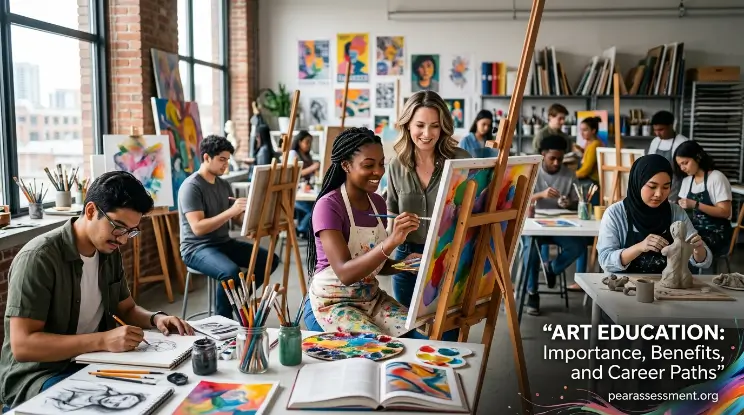
Welcome to Pear Assessment. Art education plays a valuable role in helping students build creativity, confidence, self-expression, and practical skills. It gives learners the opportunity to explore their ideas through activities such as drawing, painting, design, music, drama, and other forms of creative work. Art is not simply about producing beautiful or visually appealing work; it also helps students understand their surroundings, develop new perspectives, and communicate their thoughts and feelings effectively.
In schools, art education can contribute to both academic growth and personal development. Through creative activities, students learn to observe carefully, experiment with different ideas, solve problems, collaborate with others, and express themselves with greater confidence. A well-designed art education program can therefore support a balanced learning experience while encouraging students to think creatively and develop skills that can benefit them in many areas of life.
What Is Art Education?
Art education refers to the process of teaching and learning about art, creative skills, artistic techniques, and different forms of self-expression. It helps students explore various types of art while encouraging them to create and develop their own work. Art education goes beyond basic drawing and painting and can cover a wide range of creative subjects based on students’ age and curriculum.
What Do Students Learn in Art Education?
Students learn far more than just drawing and painting through art education. They explore a variety of artistic techniques and creative methods while building important skills through hands-on activities and practical projects. These experiences encourage students to observe carefully, experiment with new ideas, and develop their creativity.
Art education also gives students a way to express their ideas and communicate their thoughts through different forms of creative work. By taking part in various art projects, students learn how to make decisions, solve problems, explore possibilities, and think independently. At the same time, they develop an appreciation for different artistic styles, cultures, and forms of expression.
Students can develop several abilities through art education, including:
- Creative expression: Students express their feelings and ideas through art.
- Artistic techniques: They learn drawing, painting, design, and other art skills.
- Observation: They learn to notice colors, shapes, patterns, and details.
- Art appreciation: They explore different artists, artworks, and cultures.
- Communication: Art helps students communicate ideas visually.
- Critical and creative thinking: They solve problems and develop new ideas through art.
Why Is Art Education Important?
Art education is important because it supports the overall development of students. While traditional academic subjects often focus on specific areas of knowledge, art provides students with opportunities to explore new ideas, experiment with different approaches, and express themselves creatively. These activities can encourage students to think differently and develop their own ways of approaching challenges and problems.
Benefits of Art Education for Students
Art education helps students develop creativity, confidence, and practical skills through a variety of artistic activities. It gives learners the freedom to explore new ideas, experiment with different techniques, and express their thoughts and emotions in meaningful ways.
In addition to creative development, art education can strengthen communication, problem-solving, teamwork, and critical-thinking skills. By participating in individual and group projects, students learn how to share ideas, make decisions, overcome challenges, and work effectively with others.
Art education can provide students with several important benefits:
- Increases creativity: Helps students think of new ideas.
- Improves communication: Helps students express their thoughts.
- Encourages collaboration: Teaches students to work together.
- Supports problem-solving: Helps students find creative solutions.
- Builds confidence: Makes students more confident in their abilities.
- Develops observation skills: Helps students notice important details.
- Encourages emotional expression: Helps students express their feelings through art.
Read Also: Internet Education: Benefits, Uses, and Challenges
Art Education in Schools and Classrooms
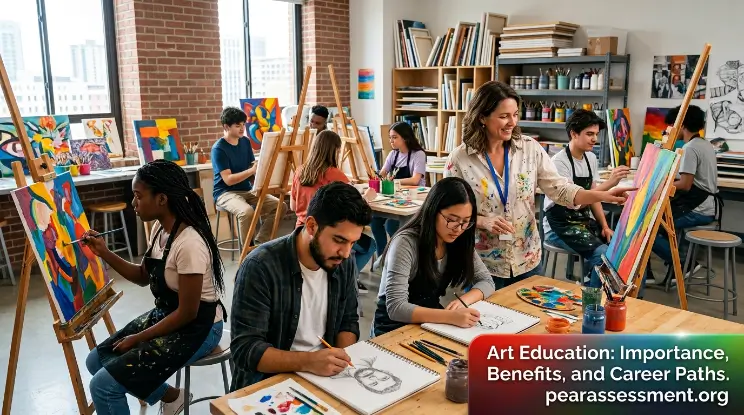
Art education in schools provides students with regular opportunities to take part in creative and engaging learning activities. Teachers can introduce age-appropriate projects that help students develop artistic techniques while also building skills such as creativity, observation, communication, and problem-solving. These activities can make learning more interactive and enjoyable.
Effective Art Teaching Methods
Effective art teaching methods encourage students to learn through creativity, practice, experimentation, and active participation. Rather than relying only on explanations of artistic concepts, teachers can engage students in hands-on activities that allow them to work with different materials, explore techniques, and develop their own creative ideas.
Approaches such as demonstrations, group projects, observation activities, project-based learning, and constructive feedback can make art lessons more interesting and meaningful. These methods give students opportunities to practice their skills while also building confidence, problem-solving abilities, critical thinking, and creative expression.
Teachers can use different methods to make art education engaging and useful, including:
- Demonstration and modeling: Teachers show how art techniques work.
- Hands-on projects: Students learn by creating and practicing.
- Group activities: Students work together and share ideas.
- Observation and discussion: Students look at artwork and discuss it.
- Project-based learning: Students plan and complete creative projects.
- Reflection and feedback: Students review their work and improve it.
Art Education Curriculum
An art education curriculum is a structured learning plan designed to teach students artistic skills, creative processes, and different ways of understanding and appreciating art. It can combine practical activities with lessons about artists, cultures, artistic techniques, and various forms of creative expression.
Depending on the students’ age and learning level, the curriculum may include traditional art forms as well as digital tools and techniques. It can also connect art with other academic subjects, helping students understand topics from different perspectives. Through age-appropriate projects and activities, students can develop creativity, artistic knowledge, practical abilities, and confidence in expressing their ideas.
An art education curriculum can include several areas of learning, such as:
- Visual arts: Drawing, painting, sculpture, and photography.
- Art history and appreciation: Artists, artworks, cultures, and styles.
- Creative processes: Developing, creating, reviewing, and improving ideas.
- Artistic techniques: Using different tools, materials, and methods.
- Digital and media arts: Digital art, graphic design, photography, and video.
- Cross-disciplinary learning: Connecting art with science, history, math, and language.
Skills Students Develop Through Art Education
Art education helps students develop artistic abilities while also building transferable skills that can benefit them in school, future careers, and everyday life. Through creative activities and projects, students learn to make thoughtful decisions, communicate their ideas clearly, collaborate with others, and find solutions to different challenges.
| Skill | How Art Education Helps |
| Creativity | Encourages students to generate original ideas |
| Critical thinking | Helps students evaluate and make artistic decisions |
| Communication | Gives students ways to express ideas visually |
| Collaboration | Encourages teamwork through group projects |
| Problem-solving | Requires students to experiment and find solutions |
| Confidence | Gives students opportunities to present and improve their work |
Creativity and Critical Thinking
Art education allows students to explore different ideas and make their own creative choices. They can experiment with colors, materials, designs, and techniques instead of following only one fixed answer.
This process helps students think creatively and solve problems. They learn to evaluate their work, try different approaches, and make decisions about how to improve their final results.
Art Education Degrees and Career Opportunities
An art education degree combines artistic knowledge with teaching and educational skills. Students may study a range of artistic techniques along with subjects such as educational theory, curriculum development, lesson planning, teaching strategies, and classroom practice. This combination helps learners understand both the creative and instructional sides of art education.
What Can You Do With an Art Education Degree?
An art education degree can prepare graduates for careers that bring together creativity, artistic knowledge, and teaching. During their studies, students learn about art techniques, instructional methods, lesson planning, curriculum development, and ways to support learners with different needs and abilities.
Graduates may pursue careers as art teachers in schools or explore opportunities in museums, community art programs, cultural institutions, and arts organizations. Depending on their interests and experience, they can also work in areas such as art administration, curriculum development, arts coordination, educational program management, and community-based creative initiatives.
Graduates can explore different career opportunities, including:
- Art teacher: Teaches art and creative subjects.
- Art education coordinator: Manages art education programs.
- Museum educator: Teaches visitors about art.
- Arts program coordinator: Organizes creative programs.
- Community arts educator: Uses art for community learning.
- Art administrator: Manages arts programs and projects.
- Curriculum or education specialist: Creates educational materials and programs.
Skills for a Successful Art Educator
A successful art educator needs a balanced combination of artistic knowledge, teaching ability, creativity, and strong communication skills. They should understand a variety of art techniques, materials, and creative processes while being able to explain these concepts in a clear, simple, and engaging manner.
An effective art educator should also know how to plan meaningful lessons, guide students through creative projects, and provide helpful, constructive feedback. Creating a supportive classroom environment is equally important, as students should feel comfortable experimenting with new ideas, sharing their work, making mistakes, and learning from them.
A successful art educator can benefit from several skills:
- Artistic knowledge: Understands art techniques, materials, and styles.
- Communication: Explains ideas and instructions clearly.
- Lesson planning: Creates organized and useful art activities.
- Classroom management: Maintains a positive learning environment.
- Creativity: Uses interesting ways to teach art.
- Assessment: Gives feedback and checks student progress.
- Adaptability: Adjusts lessons to different student needs.
How to Make Art Education More Effective
Art education can be more effective when students are encouraged to explore their own ideas rather than simply copying a completed example. Teachers can provide clear guidance and instructions while giving learners enough freedom to make creative choices and develop their individual styles.
Common Mistakes to Avoid
Art education becomes more effective when teachers balance creative exploration with clear learning objectives. However, certain teaching practices can limit students’ creativity or make art lessons feel less enjoyable and meaningful.
Teachers should avoid presenting only one correct method for completing an artwork or placing too much emphasis on the final result. It is also important to recognize that students have different abilities, interests, and learning styles.
- Treating art as a free-time activity only: Art should support learning.
- Focusing only on the final artwork: The process matters too.
- Limiting students to one “correct” result: Encourage different ideas.
- Ignoring different skill levels: Support students at different levels.
- Giving instructions without allowing creativity: Allow students creative freedom.
- Using art activities without clear learning objectives: Set a clear purpose for each activity.
Frequently Asked Questions
What is art education?
Art education is the teaching and learning of art, artistic skills, creative processes, and artistic expression. It can include visual arts and other creative disciplines depending on the curriculum.
Why is art education important?
Art education is important because it can support creativity, communication, collaboration, critical thinking, problem-solving, and self-expression. It also gives students opportunities to understand different cultures and perspectives.
What subjects are included in art education?
Art education can include visual arts, music, dance, drama, design, digital arts, media arts, and art history, depending on the educational program and curriculum.
What skills does art education develop?
Art education can develop creativity, observation, communication, problem-solving, collaboration, critical thinking, and confidence. Students can also improve their artistic and technical abilities through regular practice.
What careers can you pursue with an art education degree?
An art education degree can lead to careers such as art teacher, museum educator, arts program coordinator, community arts educator, art administrator, and curriculum or education specialist.
Conclusion
Art education is about much more than teaching students how to draw or paint. It provides learners with opportunities to express themselves creatively while developing valuable skills such as communication, observation, critical thinking, collaboration, and problem-solving. Through artistic activities, students can explore new ideas, discover different ways of thinking, and learn to approach challenges creatively.
When art is thoughtfully integrated into education, students can experiment with different techniques, make independent choices, and build confidence in expressing their ideas. Whether they choose to pursue an artistic career or simply apply creative skills in their personal and professional lives, art education can make a meaningful contribution to developing confident, adaptable, and well-rounded learners.