
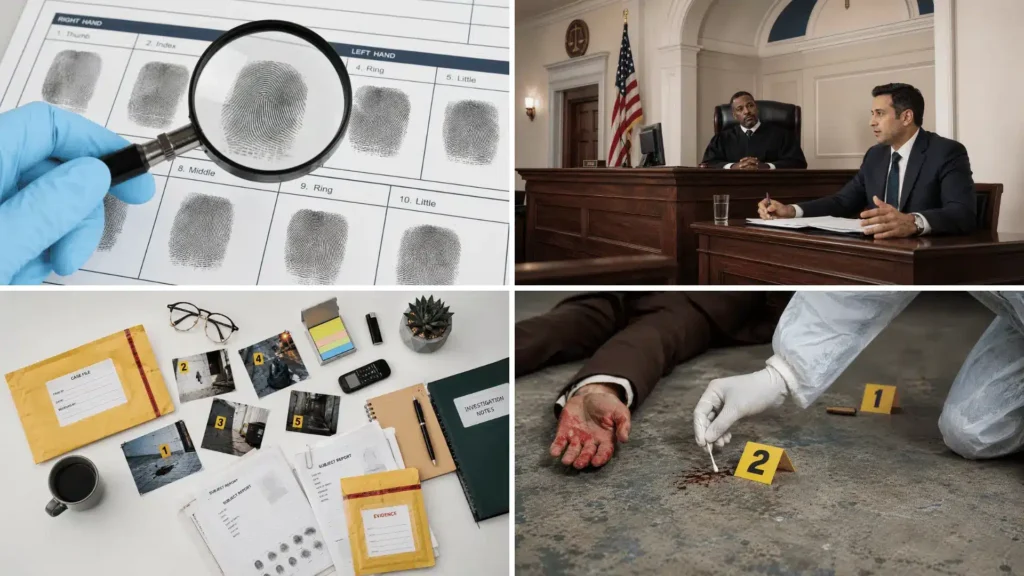
An injury hits hard. Your first instinct is survival — get treatment, manage the pain, figure out what comes next. But here’s the thing most people don’t realize until it’s too late: what you document in those early days can make or break any legal claim down the road. Records build a story. They show what happened, how bad the damage was, and what your life looked like before versus after. Skip the documentation, and suddenly you’re asking a court to take your word for it. This guide covers what to capture, when to capture it, and how to keep it all organized.
Photograph and Preserve Evidence at the Scene
Photos don’t lie. If you can safely do it, start shooting the moment after the incident — the location, the hazard that caused the fall or crash, the surrounding conditions. Multiple angles. Wide shots and close-ups. Don’t stop there, either. Photograph your injuries right away, then keep photographing them as they evolve. Bruises deepen. Swelling shifts. A photo taken three days later tells a different part of the story than one taken three hours after impact. Weather, lighting, visible defects in a surface — all of it matters. Every image should carry a timestamp. That detail alone establishes your timeline, and timelines are everything in a legal dispute.
Maintain Detailed Medical and Treatment Records
Medical records are the spine of your claim. Not summaries — actual records, pulled directly from each provider who treated you. ER reports, specialist notes, imaging results, physical therapy logs, prescription receipts. Every piece. Keep receipts for every expense: the co-pays, the medications, the follow-up visits you almost skipped. Write down the names and credentials of every doctor and therapist you see, along with exact appointment dates. If your physician issues work restrictions or activity limitations, those documents are gold — they translate clinical findings into real-world consequences a judge or insurer can understand. Don’t let those slip through the cracks.
Create a Personal Injury Journal and Incident Timeline
Medical files capture what clinicians observed. Your journal captures everything else. Write down what happened while it’s still raw — the date, the time, the location, your exact account in your own words. No legalese required. Just truth. Record witness names and contact details immediately, before people move on and become unreachable. Then keep writing, daily if possible. Pain levels. What you couldn’t do that day. Whether you had to cancel plans, skip work, or ask someone for help showering. These entries seem small in isolation. Stacked together, they paint a picture of disruption that no medical chart fully captures. Don’t underestimate that.
Preserve Communication and Supporting Documentation
Every email, every text, every letter exchanged with an insurer or employer — save it. Print it. Back it up. Written communication has a way of disappearing when parties realize it’s damaging to their position. Don’t give anyone that opportunity. Track every expense that flows from the injury: rides to appointments, in-home help, any modifications you had to make at home. Injured individuals who consult a reputable personal injury lawyer benefit from having their documentation assessed by someone who understands what insurers and courts look for, which helps identify critical gaps before they become problems. Lost wages need written confirmation from your employer — specific dates, specific dollar amounts. And if any property was damaged, get repair or replacement estimates in writing from qualified vendors. Verbal estimates evaporate.
Organize and Store Your Documentation Securely
Gathering documents means nothing if you can’t find them when it counts. Set up a dedicated system — physical folder, digital folder, or both. Organize chronologically or by category: medical, financial, correspondence. Label everything clearly. Date-stamp what you can. Then back it all up somewhere secure; a cloud-based system works well for this. Share relevant materials with your attorney as soon as you have them — don’t wait until you think the file is “complete.” Lawyers need to spot gaps early, not a week before a deadline. Revisit your records periodically, too. Details fade faster than people expect.
Conclusion
Good documentation doesn’t just support a legal claim — it builds one from the ground up. Photos, medical records, personal journals, financial receipts: each piece adds another layer of proof that’s harder to dispute. The work you put in during the weeks immediately following an injury tends to show up directly in settlement outcomes and courtroom results. Memory fades, witnesses move away, evidence disappears. But a well-organized file doesn’t. Start immediately, stay consistent, and make sure your attorney has everything they need to pursue your case from a position of strength.