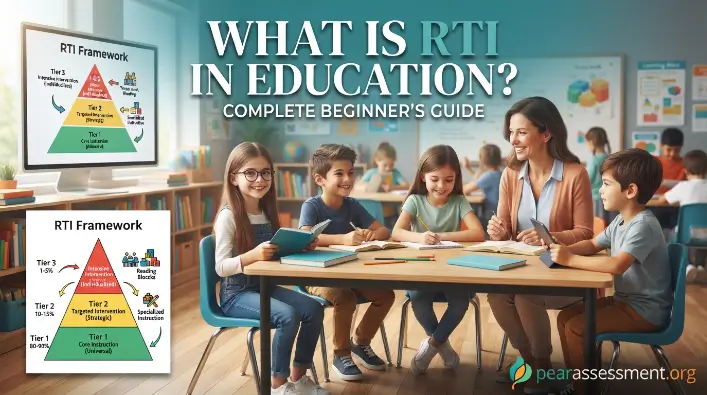
Welcome to Pear Assessment. Response to Intervention (RTI) is an educational framework designed to identify and support students who need additional academic or behavioral assistance. Instead of waiting for students to struggle over a long period, RTI provides timely interventions that help them improve their learning outcomes. Schools use this approach to monitor student progress, apply evidence-based teaching strategies, and ensure every learner receives the level of support they need.
Understanding what RTI in education means is important for teachers, parents, and school administrators alike. The RTI framework focuses on early identification of learning difficulties, continuous assessment, and targeted instruction through different levels of support. By addressing challenges as early as possible, schools can improve student achievement and reduce the need for more intensive interventions later.
What Is RTI in Education?
Response to Intervention (RTI) is a structured educational framework that helps schools identify students who are struggling academically or behaviorally and provide them with the right support before their difficulties become more serious. Instead of waiting until a student consistently fails or falls far behind classmates, RTI focuses on early identification and timely intervention. This proactive approach gives students the opportunity to improve their skills through targeted instruction and continuous support.
RTI Full Form
RTI stands for Response to Intervention. It is a multi-tiered educational framework that provides early academic or behavioral support to students based on their individual needs.
The goal of RTI is to identify learning difficulties early, monitor student progress, and provide appropriate interventions so students can succeed before their challenges become more serious.
Definition of Response to Intervention
Response to Intervention (RTI) is a systematic approach that helps schools identify students who need additional academic or behavioral support and provide timely interventions. It combines high-quality classroom instruction, regular assessments, and continuous progress monitoring to ensure every student receives the right level of support.
Instead of waiting for a student to experience long-term academic failure, RTI focuses on early intervention. Teachers use evidence-based instructional strategies and student performance data to evaluate progress and decide whether to continue, modify, or increase the level of support.
Why Schools Use RTI
Schools use RTI to identify students who need extra academic or behavioral support and provide help before they fall behind. Since every student learns at a different pace, RTI ensures that struggling learners receive interventions that match their individual needs.
RTI also helps teachers monitor student progress regularly and make data-based instructional decisions. By adjusting interventions when needed, schools can improve student achievement and ensure every learner has the opportunity to succeed.
Read Also: Panorama Education: Complete Guide to Surveys, Student Success & MTSS
The Purpose of RTI in Schools
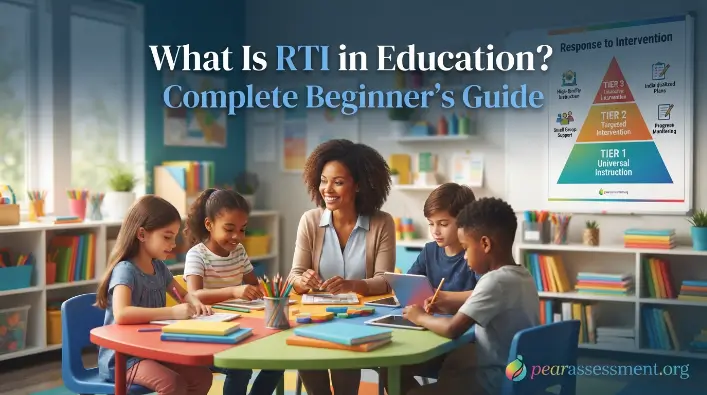
The main purpose of RTI in schools is to identify students who are struggling and provide them with early academic or behavioral support. By addressing learning difficulties as soon as they appear, RTI helps prevent students from falling further behind and improves their chances of success. RTI also ensures that every student has access to high-quality instruction and the support they need based on their individual learning needs.
Early Identification of Learning Difficulties
One of the main goals of RTI is to identify learning difficulties as early as possible. Teachers use universal screenings, classroom assessments, and observations to recognize students who may need extra support before their academic challenges become more serious.
By identifying these difficulties early, schools can provide targeted interventions at the right time. This early support helps students improve their skills, close learning gaps, and reduces the need for more intensive interventions in the future.
Supporting Students Before They Fall Behind
A key purpose of RTI is to support students before their learning difficulties become serious. Instead of waiting for poor grades or repeated failure, teachers provide extra instruction as soon as they notice a student is struggling.
Early intervention helps students strengthen essential skills, close learning gaps, and stay on track with their classmates. It also improves confidence, encourages classroom participation, and increases the chances of long-term academic success.
Improving Student Achievement
The RTI framework is designed to improve learning outcomes for all students. Teachers use ongoing assessments and progress data to evaluate the effectiveness of instructional strategies and make informed decisions about future interventions.
As students receive appropriate support based on their individual needs, they are more likely to meet academic expectations, develop stronger learning skills, and achieve long-term educational success.
Benefits of RTI for Students and Teachers
RTI benefits students, teachers, and parents by providing early support to learners who are struggling academically or behaviorally. Through timely interventions and continuous progress monitoring, students receive the help they need before small learning difficulties become major challenges.For teachers, RTI provides valuable student performance data that supports informed instructional decisions and helps them choose effective teaching strategies.
Benefits for Students
RTI helps students by providing extra support as soon as learning difficulties are identified. Early intervention allows students to improve their academic skills before small challenges become bigger problems, increasing their chances of success in the classroom.
In addition to improving academic performance, RTI builds students’ confidence and encourages active participation in learning. By receiving support that matches their individual needs, students can close learning gaps and achieve better long-term educational outcomes.
Other benefits include:
- Early identification of learning challenges
- Individualized instructional support
- Improved academic performance
- Increased classroom participation
- Better learning confidence
- Continuous progress monitoring
Benefits for Teachers
RTI helps teachers make better instructional decisions by providing regular assessment data and progress monitoring results. This information allows educators to identify students who need extra support and choose interventions that match their individual learning needs.
It also enables teachers to track student progress over time and adjust teaching strategies when necessary. As a result, teachers can deliver more effective instruction and improve overall classroom performance.
Teachers also benefit by:
- Making data-driven instructional decisions
- Identifying struggling students earlier
- Using evidence-based intervention strategies
- Monitoring student growth more effectively
- Improving overall classroom achievement
Benefits for Parents
RTI encourages strong communication between schools and parents by keeping families informed about their child’s progress and the support being provided. Regular updates help parents understand their child’s learning needs and the goals of the intervention plan.
When parents and teachers work together, students receive consistent support both at school and at home. This partnership improves learning outcomes and helps students make steady
Real Classroom Examples of RTI
Real classroom examples help explain how RTI is applied in everyday teaching. They show how teachers identify students who need extra support, provide targeted interventions, and monitor their progress to improve academic or behavioral outcomes.The following examples demonstrate how the RTI framework works in different classroom situations and how timely support can help students succeed.
Reading Intervention Example
For example, a third-grade student has difficulty reading aloud and understanding written text. After identifying the problem through classroom assessments, the teacher places the student in a small-group reading intervention program that meets several times a week.
During these sessions, the teacher focuses on improving reading fluency, vocabulary, and comprehension while regularly monitoring the student’s progress. As the student’s reading skills improve, they become more confident and are able to participate successfully in regular classroom instruction.
Math Intervention Example
Consider a student who struggles with basic math concepts and regularly scores below grade level on classroom assessments. To address these challenges, the teacher provides small-group instruction focused on improving number sense, calculation skills, and problem-solving strategies.
The student’s progress is monitored through regular quizzes and classroom activities. As their understanding improves, they become more confident in solving math problems and gradually perform better during regular classroom lessons.
Behavior Support Example
A behavior support intervention is used when a student has difficulty following classroom rules, staying focused, or interacting positively with others. Instead of using punishment alone, the teacher identifies the cause of the behavior and provides targeted support to help the student improve.
For example, a student who frequently interrupts the class may receive positive reinforcement for appropriate behavior, follow a structured daily routine, and receive regular feedback from the teacher. Over time, these interventions help the student develop better behavior, participate more actively in class, and create a more positive learning environment.
Common Mistakes Schools Should Avoid
Although RTI is an effective framework, its success depends on proper implementation. Mistakes such as delaying interventions, using inconsistent assessments, or failing to monitor student progress can reduce the effectiveness of the program and prevent students from receiving the support they need.By recognizing and avoiding these common mistakes, schools can ensure that RTI interventions are timely, evidence-based, and focused on improving student learning outcomes.
Some mistakes schools should avoid include:
- Waiting too long before providing interventions.
- Failing to document student progress consistently.
- Using inconsistent assessment methods.
- Communicating too little with parents about student progress.
- Applying the same intervention to every student regardless of individual needs.
Avoiding these mistakes helps schools deliver more effective support and improve student achievement.
Best Practices for Successful RTI Implementation
Successful RTI implementation requires careful planning, consistent instruction, and regular monitoring of student progress. Schools should use evidence-based teaching strategies, collect reliable assessment data, and provide interventions that match each student’s individual needs. Collaboration among teachers, school staff, and parents is also essential for achieving positive results. By following these best practices, schools can improve the effectiveness of RTI and help students reach their full academic potential.
Use Reliable Data
Reliable data is essential for making effective instructional decisions in the RTI process. Teachers should use accurate assessment results, classroom observations, and regular progress monitoring to evaluate each student’s performance.
By analyzing this data, educators can determine whether an intervention is working or if changes are needed. Using reliable data ensures that students receive the most appropriate support based on their actual learning needs.
Collaborate with Families
Collaboration between schools and families is an important part of successful RTI implementation. Teachers should regularly communicate with parents about their child’s progress, intervention plans, and ways they can support learning at home.
When parents and educators work together, students receive consistent guidance and encouragement in both school and home environments. This partnership helps improve academic performance and supports long-term student success.
Review Student Progress Regularly
Regularly reviewing student progress helps teachers determine whether RTI interventions are effective. By using assessments, classroom observations, and progress monitoring, educators can measure improvements in academic or behavioral performance.
If a student is making good progress, the current intervention can continue. If progress is limited, teachers can modify the intervention or provide a higher level of support to better meet the student’s needs.
Is RTI Effective?
Research has shown that RTI can improve student achievement when implemented consistently and supported by evidence-based instruction. Early identification of learning difficulties allows schools to provide targeted interventions before academic problems become more severe.The effectiveness of RTI depends on several factors, including high-quality classroom instruction, regular progress monitoring, accurate data collection, and appropriate intervention strategies. When these elements work together, RTI helps many students succeed in the general education classroom while ensuring that those who need additional support receive it in a timely manner.
Frequently Asked Questions
What does RTI stand for in education?
RTI stands for Response to Intervention. It is a framework that helps schools identify struggling students early and provide appropriate academic or behavioral support through different levels of intervention.
What are the three tiers of RTI?
The three tiers of RTI represent different levels of support based on a student’s learning needs. Students begin with Tier 1 instruction, and those who need additional help receive more targeted support through.
Is RTI only for students with disabilities?
No. RTI is designed for any student experiencing academic or behavioral difficulties. It provides early support before determining whether additional educational services may be necessary.
What is the difference between RTI and MTSS?
RTI primarily focuses on academic and behavioral interventions, while MTSS is a broader framework that includes academic, behavioral, social, and emotional supports for all students.
Can parents request RTI for their child?
Yes. Parents can discuss concerns about their child’s academic or behavioral progress with teachers or school administrators and ask whether the RTI process would be appropriate for their child’s needs.
Conclusion
Understanding what is RTI in education essential for teachers, parents, and school leaders who want to support student success. RTI is a proactive framework that identifies learning or behavioral challenges early and provides evidence-based interventions based on each student’s individual needs. Through its three-tier model, continuous progress monitoring, and data-driven decision-making, RTI helps ensure that every student receives the right level of support at the right time.
When implemented effectively, RTI improves academic achievement, promotes early intervention, and creates better learning opportunities for all students. By focusing on prevention rather than waiting for students to fail, schools can build a more inclusive and supportive learning environment where every learner has the opportunity to reach their full potential.