
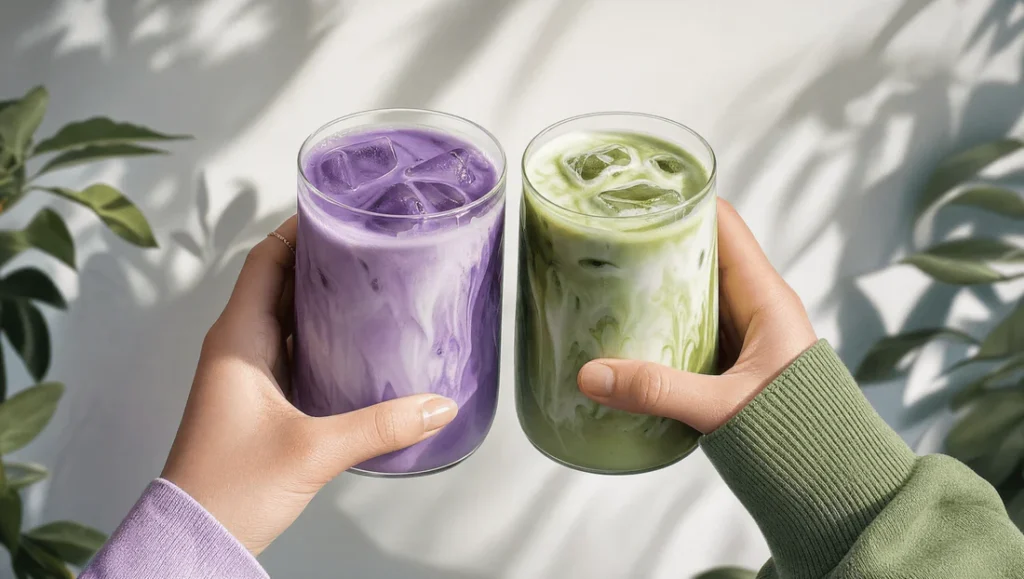
Ube and matcha are among the most recognizable colorful ingredients in modern nutrition. One brings a vibrant purple shade and a naturally sweet taste. The other is known for its bright green color, earthy notes and stimulating effect. Although both are often featured in lattes, desserts and smoothie bowls, they come from completely different plants and offer distinct nutritional characteristics.
The growing popularity of ube powder and matcha tea has created confusion among consumers. Many people assume they provide similar benefits because they are frequently used in the same recipes. The reality is quite different. Their origin, flavor profile, nutrient composition and culinary applications vary significantly.
Color can be deceptive. It acts almost like a visual passport that attracts attention before the first bite or sip. Behind those striking shades lies a completely different nutritional story. Some people choose matcha for energy and focus. Others prefer ube because it is naturally caffeine free and offers a mild sweetness.
Understanding the differences between purple yam and green tea powder helps consumers make choices that align with their dietary preferences, health goals and taste expectations. The distinctions become clear when examining their source, composition and everyday uses.
Origins and botanical differences
Ube comes from a purple yam scientifically known as Dioscorea alata. It has been cultivated for centuries across tropical regions, particularly in the Philippines, where it plays an important role in traditional cuisine. The tuber grows underground and resembles other root vegetables, although its vivid purple flesh makes it unique.
Matcha, on the other hand, originates from specially grown green tea leaves. Farmers shade the tea plants before harvest, increasing chlorophyll production and influencing the concentration of certain compounds. The leaves are then carefully processed and ground into a fine powder.
Consumers looking for premium purple yam products often explore specialized suppliers of ube because ingredient quality influences both flavor and nutritional value. The cultivation process remains very different from that of matcha, which depends heavily on tea farming techniques.
These ingredients belong to entirely separate botanical families. Ube is a starchy root vegetable rich in carbohydrates. Matcha is a concentrated tea product containing plant compounds naturally present in tea leaves. Their differences begin in the field long before they reach a kitchen.
Because of their distinct origins, they contribute different nutrients to the diet. Ube functions more like a vegetable ingredient. Matcha behaves more like a beverage ingredient with concentrated phytochemicals.
Flavor profiles that appeal to different tastes
The taste of ube is often described as mildly sweet, creamy and slightly nutty. Many people notice subtle hints reminiscent of vanilla, pistachio or white chocolate. This natural sweetness explains why ube appears frequently in cakes, ice cream, pastries and sweet beverages.
Matcha offers a very different sensory experience. High quality matcha has a grassy, vegetal and slightly sweet taste balanced by a characteristic umami note. Lower quality varieties may taste more bitter or astringent.
People who enjoy dessert flavors generally find ube more approachable. Its smooth profile blends easily into baked goods and dairy based recipes. Matcha appeals to consumers who appreciate complex flavors and the distinctive characteristics of green tea.
Texture also plays a role. Ube preparations often create a rich and velvety mouthfeel due to the starch naturally present in the yam. Matcha contributes a lighter texture when whisked correctly, although it can feel slightly earthy on the palate.
Neither ingredient is objectively better. Taste preferences remain highly personal. Someone looking for a naturally sweet ingredient may gravitate toward ube, while another person seeking a sophisticated tea flavor may prefer matcha.
Nutritional characteristics and health benefits
Both ingredients contain valuable nutrients, although their nutritional profiles differ substantially.
- fiber
- antioxidants
- vitamins
- minerals
- plant compounds
Ube nutrition is largely influenced by its role as a root vegetable. It contains carbohydrates that provide energy, along with fiber, potassium and various micronutrients. Its distinctive purple color comes from anthocyanins, a family of antioxidant compounds also found in blueberries and purple grapes.
Matcha benefits are associated with catechins, particularly EGCG. These compounds have attracted scientific interest because of their antioxidant properties. Matcha also contains small amounts of vitamins and minerals, although it is generally consumed in much smaller quantities than ube.
One major distinction involves caloric contribution. A serving of ube provides more carbohydrates and calories because it is a starchy vegetable. Matcha contributes very few calories when consumed without added sweeteners or milk.
Fiber content makes ube an interesting ingredient for those seeking satisfying foods. Matcha, meanwhile, delivers concentrated plant compounds despite its low caloric value. Their nutritional strengths complement different dietary objectives.
Caffeine content changes the experience
The presence of caffeine is perhaps the most practical difference between these ingredients.
Matcha contains caffeine because it is produced from green tea leaves. The amount varies according to quality and serving size, though it generally provides a noticeable boost in alertness. Many consumers choose matcha as an alternative to coffee.
Ube contains no caffeine. This makes it suitable for people who avoid stimulants, experience caffeine sensitivity or simply want an evening beverage without affecting sleep quality.
Why some people choose matcha?
Matcha contains both caffeine and L theanine, an amino acid naturally present in tea. This combination is often associated with sustained alertness and a smoother energy experience than coffee. Many professionals, students and athletes enjoy matcha before mentally demanding activities.
The energy provided by matcha is one reason it has become popular worldwide. Consumers often appreciate its ability to support concentration while avoiding the intense peaks sometimes associated with stronger caffeinated drinks.
Why others prefer ube
Ube appeals to consumers seeking flavor and nutrition without stimulation. Families frequently use it in snacks, desserts and breakfast recipes because it can be enjoyed at any time of day.
Its naturally sweet profile reduces the need for excessive added sugar in certain preparations. For individuals limiting caffeine intake, ube can be an attractive ingredient that still delivers visual appeal and culinary versatility.
How ube and matcha are used in everyday recipes?
The culinary applications of these ingredients reveal another important difference. Ube recipes often focus on desserts and baked goods. Cakes, cookies, pancakes, ice cream and sweet breads benefit from its flavor and color.
Matcha recipes frequently begin with beverages. Traditional tea preparation remains popular, although matcha is now incorporated into smoothies, protein shakes, yogurt bowls and various desserts.
Both ingredients work well in modern wellness focused recipes. Smoothie bowls, overnight oats and nutritious snacks regularly feature either ube or matcha. Their vibrant colors create visually appealing meals that attract attention on social media and in cafes.
Chefs often combine them with ingredients such as coconut milk, oat milk, almonds, vanilla and fresh fruit. Ube pairs particularly well with creamy ingredients. Matcha complements citrus flavors and subtly sweet foods.
A second useful distinction concerns versatility. Ube behaves like a food ingredient that can become the main component of a dish. Matcha generally functions as a flavoring or nutritional addition used in smaller quantities.
Which one should you choose?
The answer depends on your personal goals, taste preferences and dietary habits.
If you want a naturally sweet ingredient rich in color, suitable for desserts and free from caffeine, ube powder may be the better choice. Its pleasant flavor appeals to a broad audience, including people who do not usually enjoy tea.
If you are seeking a beverage ingredient associated with alertness, antioxidants and a distinctive tea experience, matcha green tea may be more appropriate. It delivers unique compounds that have made it a staple in wellness communities around the world.
Many nutrition enthusiasts actually enjoy both. They serve different purposes and can coexist comfortably within a balanced eating pattern. Ube satisfies cravings for creamy sweetness and colorful recipes. Matcha offers focus, tradition and a refreshing alternative to coffee.
Viewed side by side, the comparison becomes straightforward. Ube is a purple yam prized for its sweet flavor, fiber and versatility. Matcha is a powdered green tea valued for its caffeine, catechins and distinctive taste. Their colors may compete for attention, yet their nutritional identities remain wonderfully different.